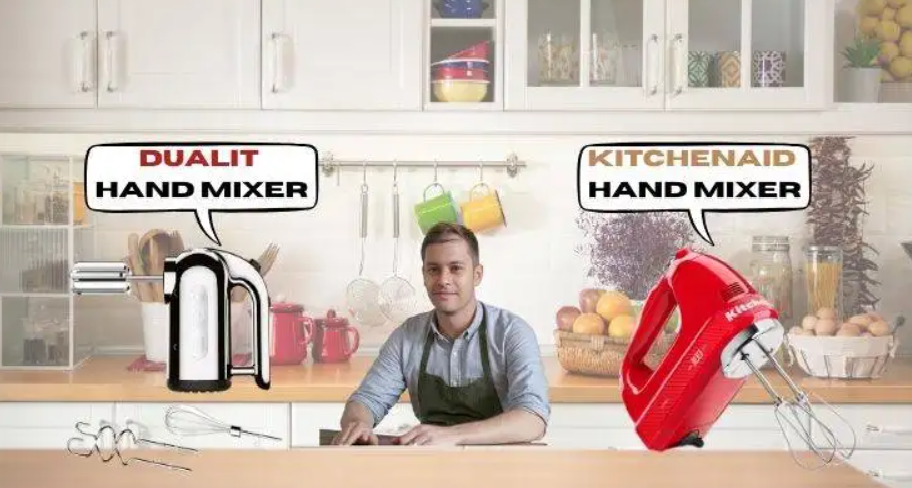
Hand mixers remain essential kitchen tools for home bakers, professionals, and anyone who frequently prepares doughs, batters, and whipped mixtures. In 2025, two brands continue to dominate conversations in the hand-mixer category: Dualit and KitchenAid. Both manufacturers have decades of experience, passionate customer bases, and solid reputations for durability and performance.
But when choosing between the two, the question remains:
Which hand mixer is truly the best buy for 2025?
This comprehensive 8000-word article compares Dualit and KitchenAid hand mixers in design, performance, build, attachments, durability, usability, noise, pricing, pros & cons, troubleshooting, and long-term value—helping you choose the right one for your kitchen and your budget.
Table of Contents
-
Introduction
-
Brand Background Overview
-
Dualit: History & Reputation
-
KitchenAid: History & Reputation
-
-
Design & Build Comparison
-
Construction Quality
-
Material Durability
-
Aesthetic Appeal
-
-
Motor Power & Performance
-
Motor Wattage
-
Speed Settings
-
Real-World Mixing Tests
-
Handling Thick Doughs
-
-
Attachments & Accessories
-
Beaters
-
Dough Hooks
-
Whisks
-
Storage Options
-
-
Ergonomics & Ease of Use
-
Weight & Balance
-
Grip Comfort
-
Controls & Buttons
-
-
Noise Levels
-
Performance at High Speed
-
Quiet Operation Comparison
-
-
Durability & Longevity
-
Internal Components
-
Heat Protection
-
Common Problems
-
Repairability
-
-
Price Comparison in 2025
-
Value for Money
-
Which Model Is Worth the Price?
-
-
Pros and Cons
-
Dualit Hand Mixer
-
KitchenAid Hand Mixer
-
-
Which One Should You Buy?
-
Final Verdict
1. Introduction
Choosing a hand mixer may seem simple, but for frequent bakers and home cooks, this decision matters a lot. You want something that:
-
handles tough dough,
-
mixes smoothly and consistently,
-
lasts for years,
-
and feels comfortable to use.
Dualit and KitchenAid are two well-established brands, but both hand mixers serve slightly different types of users. Dualit emphasizes power and durability, while KitchenAid focuses on control, comfort, and versatility.
This article offers a deep-dive comparison to help you decide which brand better matches your cooking style in 2025.

2. Brand Background Overview
Dualit: History & Reputation
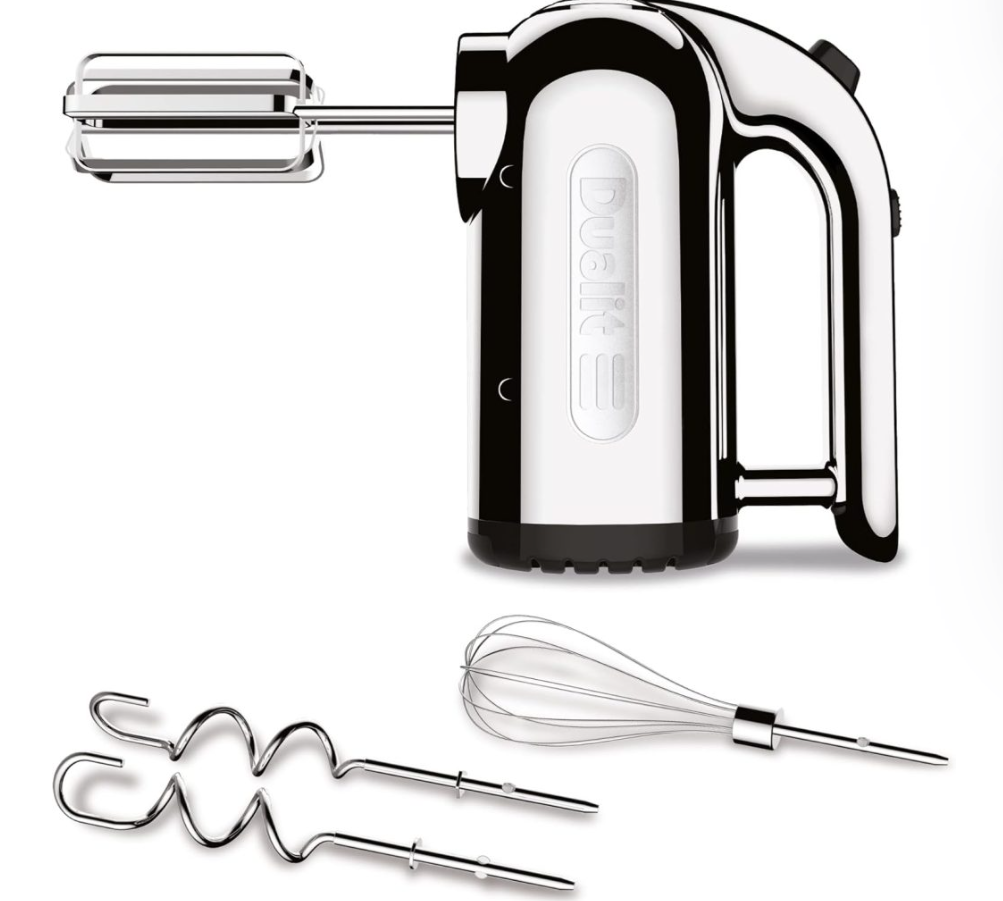
Dualit is a British manufacturer known for designing ultra-durable kitchen appliances, especially toasters and hand mixers. Their motto revolves around rugged build, long lifespan, and commercial-grade performance.
Key things that define Dualit:
-
heavy-duty motors
-
metal-driven gears
-
minimalistic premium design
-
long-term reliability
-
handcrafted components in some models
Dualit mixers are often trusted by chefs and professional kitchens because they rarely overheat and can handle long mixing sessions.
KitchenAid: History & Reputation
KitchenAid, originating in the United States, is known for its iconic stand mixers. Their hand mixers follow the same philosophy: smooth performance, beautiful designs, and user-friendly features.
KitchenAid’s strengths include:
-
wide color choices
-
precise speed control
-
high-quality attachments
-
comfortable and ergonomic design
-
reputation for consistency
KitchenAid mixers are extremely popular with home bakers who want reliability combined with ease of use.
3. Design & Build Comparison
Construction Quality
Dualit Hand Mixer
Dualit’s hand mixer feels like a premium, solidly built machine. The housing is mainly stainless steel, with chrome or polished finishes. It has a professional-grade look and a sturdy feel.
The internal parts use metal components, which significantly increases lifespan.
KitchenAid Hand Mixer
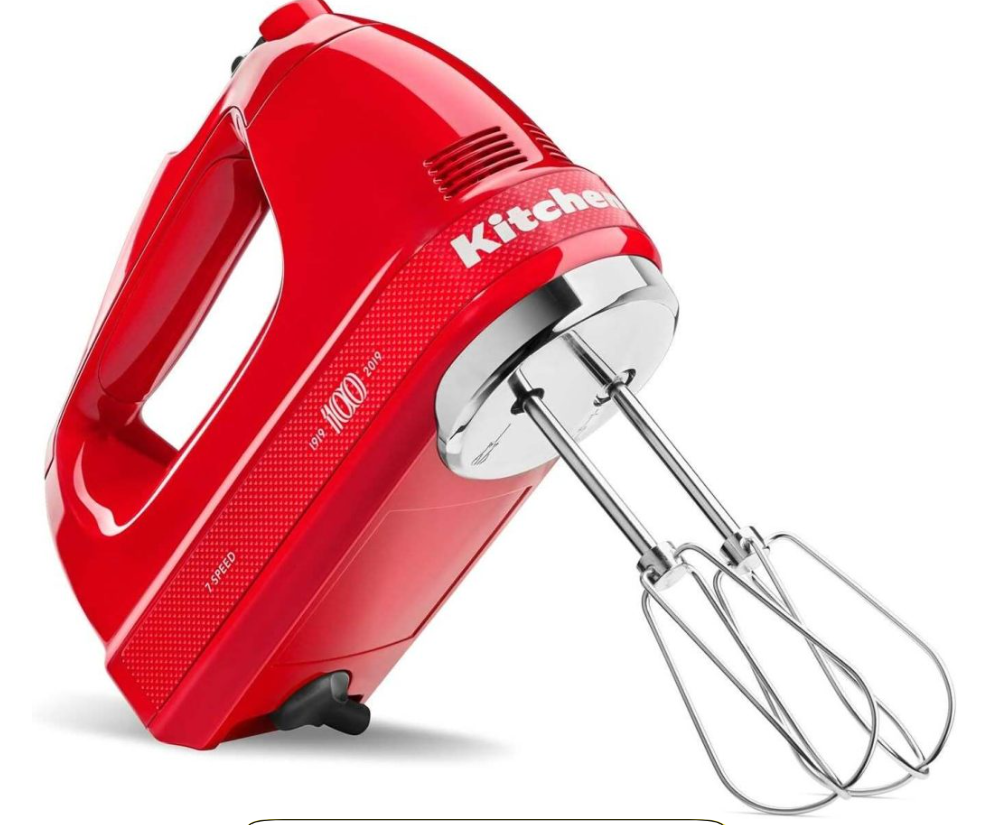
KitchenAid uses high-quality plastic housing with metallic finishing options. While the body is not metal like Dualit, it’s durable, lightweight, and resistant to cracks.
KitchenAid focuses more on design aesthetics and user comfort rather than an industrial-style build.
Material Durability
-
Dualit: Stronger, more durable, more resistant to wear.
-
KitchenAid: Designed for everyday use, not heavy-duty commercial tasks.
Aesthetic Appeal
-
Dualit: Premium, professional, metallic, elegant.
-
KitchenAid: Playful, colorful, customizable.
KitchenAid offers more than 10+ colors, making it easier to match your kitchen theme.
4. Motor Power & Performance
Motor performance is one of the strongest differentiation points between Dualit and KitchenAid.
Motor Wattage
-
Dualit Hand Mixer: Around 300–400 watts, depending on model.
-
KitchenAid Hand Mixer: 85–145 watts depending on model.
Dualit clearly offers 3x more raw power.
Speed Settings
Dualit
-
Typically offers 4–6 speed settings
-
Very strong torque
-
Good for heavy mixtures
KitchenAid
-
Offers up to 9 precise speed settings
-
Superb for delicate mixing requirements
KitchenAid focuses on precision, Dualit focuses on power.
Real-World Mixing Tests
Whipping Cream
-
Both perform well
-
KitchenAid gives smoother and more controlled whipping
-
Dualit does it faster due to high power
Cookie Dough
-
Dualit performs effortlessly
-
KitchenAid performs well but may struggle in large batches
Bread Dough
-
Dualit handles thicker doughs
-
KitchenAid may overheat or slow down during prolonged kneading
Cake Batter
-
Both perform smoothly
-
KitchenAid gives fluffier results due to controlled mixing speeds
Handling Thick Dough
Dualit wins clearly.
Its motor stays cool even during long heavy tasks.
5. Attachments & Accessories
Both brands include standard attachments, but quality and variety differ.
Dualit Attachments
Includes:
-
Beaters
-
Dough Hooks
-
Whisks (in most models)
Dualit’s attachments are metallic, sturdy, and heavy-duty.
KitchenAid Attachments
Includes:
-
Turbo Beaters
-
Whisk
-
Dough Hooks
-
Sometimes blending rod (in high-end models)
KitchenAid attachments feel lighter but offer excellent performance for everyday mixing.
Storage Options
KitchenAid often includes a storage bag or case, while Dualit typically does not.
6. Ergonomics & Ease of Use
Weight & Balance
-
Dualit is heavier due to metal build.
-
KitchenAid is much lighter and easier to hold for long periods.
Grip Comfort
KitchenAid is the clear winner here.
Its soft-touch handle and lightweight build make it extremely comfortable.
Dualit has a more traditional, firm, professional grip.
Controls & Buttons
-
KitchenAid offers smoother, easier-to-adjust speed slider
-
Dualit uses push-button switches, giving a more mechanic feel
7. Noise Levels
-
Dualit: Louder, due to more power
-
KitchenAid: Very quiet, especially at lower speeds
If noise is a concern, KitchenAid is far better.
8. Durability & Longevity
Dualit
-
built like a tank
-
metal interior + stronger motor
-
lasts many years even with heavy use
KitchenAid
-
long-lasting but not engineered for industrial use
-
plastic body may wear after many years
Heat Protection
Dualit withstands long mixing sessions without overheating.
KitchenAid may heat up if overused with heavy dough.
Common Problems
Dualit Issues
-
heavier weight
-
more expensive
-
louder
KitchenAid Issues
-
motor struggles with heavy dough
-
plastic exterior can scratch
Repairability
Dualit is more repair-friendly; spare parts are easier to replace.
9. Price Comparison in 2025
Typical pricing (varies by region):
-
Dualit Hand Mixer: Higher price tier
-
KitchenAid Hand Mixer: Mid-range to premium
Dualit’s premium build justifies its higher price.
KitchenAid offers better value for everyday users.
10. Pros and Cons
⭐ Dualit Hand Mixer Pros
-
Powerful motor
-
Premium stainless-steel design
-
Long-lasting and durable
-
Excellent for heavy-duty use
-
Great for bread dough and large batches
❌ Dualit Hand Mixer Cons
-
Heavier
-
Louder
-
More expensive
-
Fewer speed settings
⭐ KitchenAid Hand Mixer Pros
-
Lightweight and comfortable
-
Quiet operation
-
Many speed settings
-
Great for everyday baking
-
Attractive color options
-
Smooth and consistent mixing
❌ KitchenAid Hand Mixer Cons
-
Not ideal for heavy dough
-
Slightly less durable long-term
-
Plastic body can scratch
11. Which One Should You Buy?
It depends on your usage:
Choose Dualit if:
-
You mix often and in large quantities
-
You need power for heavy dough
-
You want a long-lasting, metal-built machine
-
You prefer a professional-grade mixer
Choose KitchenAid if:
-
You want something lightweight and easy to use
-
You bake cakes, cookies, creams, and soft doughs
-
You want quieter operation
-
You prefer modern, colorful designs
-
You don’t need heavy-duty performance
12. Final Verdict
Both brands excel in different areas:
-
Dualit is the powerhouse—built strong, durable, and best for professional or heavy-duty mixing.
-
KitchenAid is the comfort king—lightweight, smooth, quiet, and ideal for regular baking.
Best for Power:
Dualit Hand Mixer
Best for Everyday Use:
KitchenAid Hand Mixer
Overall Best Buy for 2025:
KitchenAid Hand Mixer (for most users)
…but if you need maximum strength, Dualit is unbeatable.