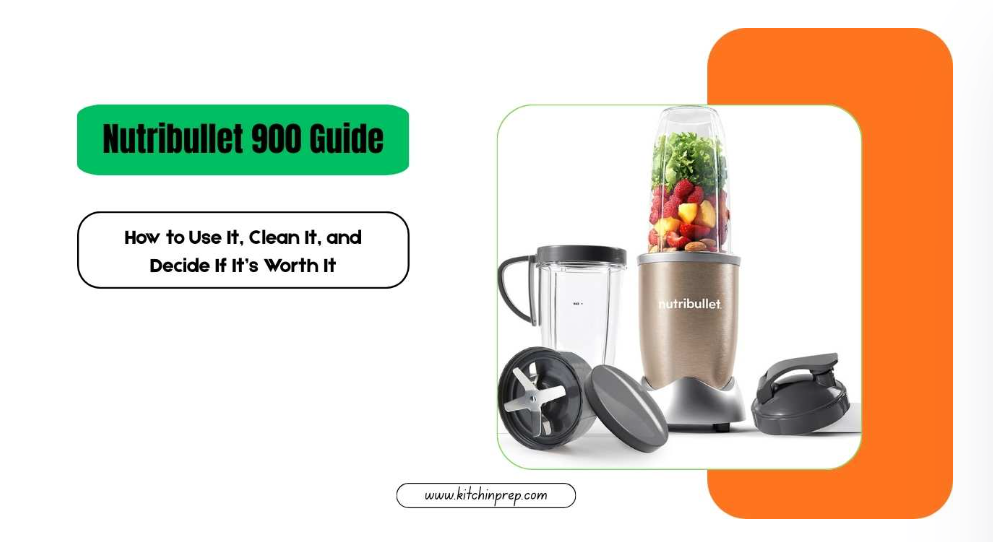
Blenders have become a key part of modern kitchens. Whether you’re blending smoothies, puréeing soup, crushing ice, grinding dry ingredients, or preparing sauces, a blender simplifies daily cooking. But most people only use a fraction of their blender’s capabilities—and even fewer know how to properly care for it. A well-maintained blender can last years, giving you better performance, smoother blends, and fewer breakdowns.
This complete 8,000-word guide walks you through everything you need to know about using, maintaining, cleaning, troubleshooting, and choosing an everyday blender. It includes pros and cons, real-life usage tips, safety guidance, and buying advice—perfect for readers who want to get the best out of their appliance.
Table of Contents
-
Introduction to Everyday Blenders
-
Types of Blenders Explained
-
Understanding Blender Components
-
How to Use an Everyday Blender Properly
-
Common Blender Mistakes to Avoid
-
How to Clean Your Blender the Right Way
-
Caring for Your Blender: Long-Term Maintenance
-
Safety Tips Every Blender User Should Know
-
Troubleshooting Common Blender Problems
-
Blender Accessories & How They Improve Performance
-
Best Practices for Different Types of Blending
-
Pros and Cons of Using an Everyday Blender
-
How to Choose the Right Blender for Your Needs
-
Real-Life Blender Tips for Better Results
-
Final Thoughts
1. Introduction to Everyday Blenders
An everyday blender is one of the most versatile appliances in the kitchen. You can use it for:
-
Smoothies and shakes
-
Baby food
-
Chutneys and sauces
-
Ice crushing
-
Coffee grinding
-
Nut butters
-
Meal prep
-
Hot soup blending
-
Salad dressings
-
Dessert mixes
-
Pureeing vegetables
-
Cocktails & frozen drinks
Modern blenders range from simple entry-level models to advanced high-performance machines with multiple speeds, programmable functions, and powerful motors.
Most households use blenders daily or weekly, but very few people maximize their usefulness. With proper usage and maintenance, even inexpensive blenders can last a long time.
This guide is designed to help beginners and experienced users alike understand how to use, care for, and choose the right blender.
2. Types of Blenders Explained
Not all blenders are the same. Choosing the right type affects performance and durability.
Below are the major types of everyday blenders:
2.1 Countertop Blenders
These are the most common household blenders and come with a jar and base.
Best For:
-
Smoothies
-
Hot soups
-
Sauces
-
Ice crushing
-
Daily use
Features:
-
Moderate to powerful motors
-
Multiple speeds
-
Large capacity jars (1.25–2 liters)
-
Can handle soft and hard ingredients
Pros:
-
Versatile
-
Good for family use
-
Suitable for most recipes
Cons:
-
Takes counter space
-
Can be noisy
-
Heavy jars in some models
2.2 Personal Blenders (Single-Serve)
These are compact blenders designed for individual smoothies.
Best For:
-
Protein shakes
-
Single-serve smoothies
-
Travel / gym use
Features:
-
Blend directly into the cup
-
Easy to clean
-
Light and portable
Pros:
-
Space-saving
-
Very convenient
-
Affordable
Cons:
-
Not ideal for large recipes
-
Limited power in budget models
2.3 Hand (Immersion) Blenders
These stick blenders are handheld and blend directly inside pots or bowls.
Best For:
-
Soups in pots
-
Whipped cream
-
Baby food
-
Mixing liquids
Pros:
-
Easy to use
-
No need to transfer hot items
-
Very quick cleaning
Cons:
-
Not good for ice
-
Not for thick blends like nut butter
2.4 High-Performance Blenders
Brands like Vitamix, Blendtec, and Ninja fall in this category.
Best For:
-
Professional blending
-
Smooth purees
-
Nut butters
-
Crushing ice
-
Frequent use
Pros:
-
Extremely powerful
-
Durable
-
Restaurant-quality blending
Cons:
-
Expensive
-
Bulky
3. Understanding Blender Components
Knowing how your blender works makes it easier to use and maintain it.
3.1 The Blender Base (Motor Unit)
This contains the main motor that powers the blades.
Key Features:
-
Motor wattage
-
Buttons and controls
-
Overheat protection
Higher wattage generally means better performance.
3.2 Blender Jar / Pitcher
Made from:
-
Glass
-
BPA-free plastic
-
Stainless steel
Capacity:
Ranges from 500 ml to 2 liters.
Jar Considerations:
-
Plastic is lightweight
-
Glass is scratch-resistant
-
Steel is durable but you can’t see inside
3.3 Blades
Blades determine blending efficiency.
Types of Blades:
-
Cross blades for smoothies
-
Flat blades for dry grinding
-
Ice-crushing blades
-
Multi-level blades
Regular cleaning prevents blade dullness.
3.4 Gasket or Rubber Sealing Ring
Prevents leakage between the jar and blade assembly.
Important Notes:
-
Needs regular cleaning
-
Wears out over time
-
Replacement is cheap and easy
3.5 Lid and Cap
Prevents splashing and allows adding ingredients while blending.
4. How to Use an Everyday Blender Properly
Using your blender correctly ensures better blending and longer life.
4.1 Step-by-Step Guide to Using a Blender
Step 1: Assemble the Blender
-
Ensure the blade assembly is securely tightened
-
Fit the jar on the motor base
-
Check the sealing ring
Step 2: Add Ingredients in the Right Order
Correct layering matters.
Ideal Order:
-
Liquids
-
Soft ingredients
-
Frozen items
-
Hard ingredients
-
Ice (last)
This makes blending easier and reduces motor stress.
4.2 Use the Right Speed Settings
Low Speed:
-
Soups
-
Dressings
-
Light mixing
Medium Speed:
-
Milkshakes
-
Soft fruits
-
Sauces
High Speed:
-
Smoothies with ice
-
Frozen fruit
-
Nuts
4.3 Pulse Function
Use pulse when:
-
Crushing ice
-
Making salsa
-
Mixing dry ingredients
Pulse prevents overblending.
4.4 Do Not Overfill the Jar
Overfilling can lead to:
-
Leakage
-
Poor blending
-
Motor strain
Fill only ⅔ of the jar for best results.
4.5 Blending Hot Ingredients Safely
-
Allow steam to escape
-
Never fill jar more than halfway
-
Hold the lid with a cloth
-
Start at the lowest speed
5. Common Blender Mistakes to Avoid
Avoid these mistakes to increase your blender’s lifespan.
5.1 Running the Blender Empty
This damages the motor and dulls blades.
5.2 Blending Very Thick Mixtures Without Liquid
Blenders need liquid to create a vortex.
Add at least:
-
¼ cup liquid for smoothies
-
½ cup water for nuts
5.3 Overloading with Ice
Too much ice can break blades.
5.4 Ignoring Burning Smells
Stop immediately if:
-
You smell burning
-
The base heats up
-
The blender stops mid-use
This means the motor is under stress.
5.5 Using the Wrong Blade or Jar
Each jar/blade combination is designed for specific use.
6. How to Clean Your Blender the Right Way
Proper cleaning prevents odors, stains, and bacterial buildup.
6.1 Quick Cleaning Method (Daily)
-
Add warm water halfway.
-
Add a few drops of dish soap.
-
Blend for 30–45 seconds.
-
Rinse thoroughly.
6.2 Deep Cleaning Method (Weekly)
-
Remove the blade assembly
-
Soak parts in warm water
-
Scrub gasket gently
-
Clean corners with a brush
6.3 Removing Stains and Odors
Use:
-
Baking soda
-
Vinegar
-
Lemon juice
Let it soak for 20–30 minutes.
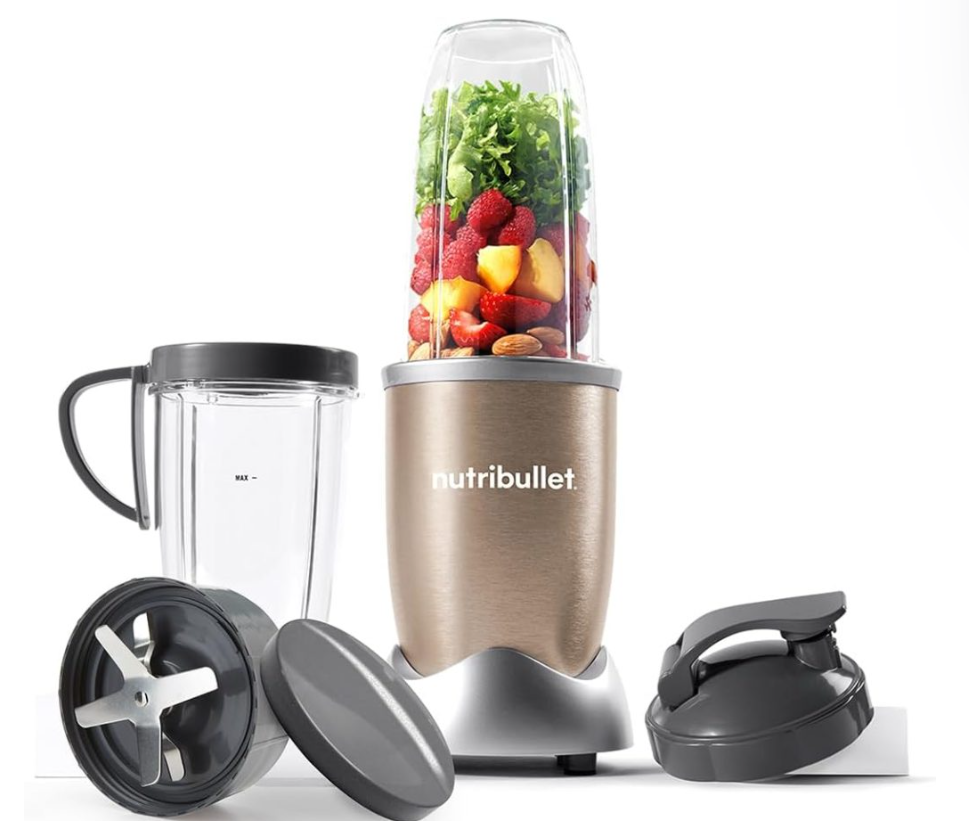

6.4 Dishwasher Use
Check the manual before placing parts in the dishwasher.
Usually:
-
Jar is dishwasher-safe
-
Lid is safe
-
Blade assembly should be hand-washed
7. Caring for Your Blender: Long-Term Maintenance
Good maintenance extends your blender’s life significantly.
7.1 Regular Inspections
Check:
-
Cracks in the jar
-
Worn gasket
-
Loose blade
-
Button functionality
7.2 Lubricating Blade Assembly (If Removable)
Use vegetable oil around the blade spindle.
7.3 Replacing Worn-Out Parts
Replace:
-
Gasket
-
Jar
-
Blades
-
Lid
7.4 Prevent Motor Overheating
Do not run the blender continuously for more than:
-
40–60 seconds for small models
-
2 minutes for large models
Let it rest between cycles.
8. Safety Tips Every Blender User Should Know
8.1 Never Put Hands Inside the Blender Jar
Even when it’s unplugged—blades are extremely sharp.
8.2 Keep Blender Away from Water
Prevent electrical shock.
8.3 Secure Lid at All Times
Prevents spills and injuries.
8.4 Always Unplug Before Cleaning
Never clean while plugged in.
8.5 Avoid Metal Utensils
Use wooden or silicone instead.
9. Troubleshooting Common Blender Problems
9.1 Blender Not Turning On
Possible causes:
-
Loose plug
-
Overheat protection triggered
-
Faulty switch
-
Blown fuse
Try:
-
Cooling down
-
Checking power outlet
9.2 Blender Leaking
Causes:
-
Damaged gasket
-
Loose blade base
-
Cracked jar
Solution:
-
Tighten assembly
-
Replace gasket
9.3 Burning Smell
Causes:
-
Overloaded jar
-
Motor overheating
-
Long blending time
Fix:
-
Reduce load
-
Add more liquid
-
Allow cooling
9.4 Poor Blending Performance
Causes:
-
Old blades
-
Insufficient liquid
-
Wrong layering
Solutions:
-
Replace blades
-
Follow proper layering
10. Blender Accessories & How They Improve Performance
10.1 Travel Cups for On-the-Go Smoothies
Great for personal blenders.
10.2 Tamper Tool
Used in high-performance blenders to push ingredients down.
10.3 Additional Jars
Useful for:
-
Grinding
-
Wet blending
-
Large & small batch mixing
10.4 Blade Attachments
Different blades for:
-
Ice crushing
-
Dry grinding
-
Soft blending
11. Best Practices for Different Types of Blending
11.1 Best Practices for Smoothies
-
Add enough liquid
-
Use frozen fruit for texture
-
Mix greens with fruit to mask flavor
-
Add seeds and nuts in small amounts
11.2 Best Practices for Hot Soup
-
Do not fill the jar completely
-
Allow venting
-
Blend in batches if necessary
11.3 Best Practices for Nut Butters
-
Use a powerful blender
-
Start slow, increase speed
-
Add oil only if needed
-
Give short breaks to prevent overheating
11.4 Best Practices for Ice Crushing
-
Use pulse mode
-
Add small amounts of ice
-
Use specially designed blades
12. Pros and Cons of Using an Everyday Blender
Pros
-
Versatile
-
Saves time
-
Healthy meal preparation
-
Affordable models available
-
Easy storage
-
Use for both drinks and food prep
-
Helps with diet and fitness
Cons
-
Can be noisy
-
Some models require frequent maintenance
-
Plastic jars may stain
-
Not all blenders handle ice well
-
Lower-watt models struggle with hard ingredients
-
Can overheat if used improperly
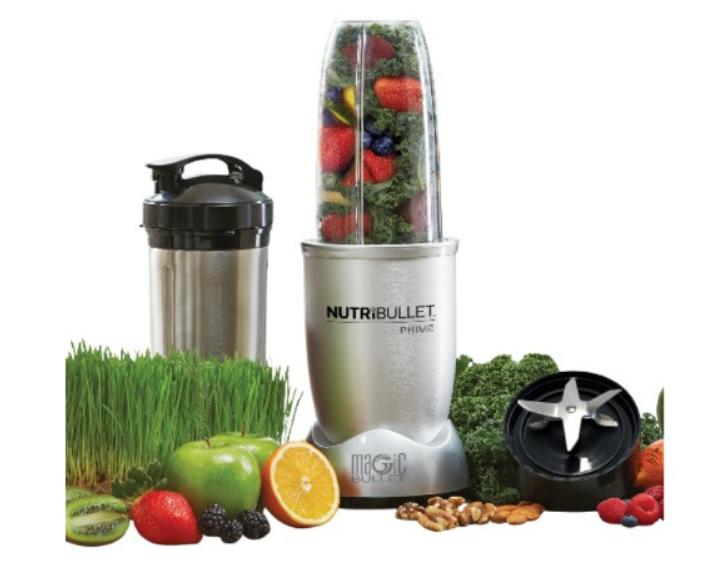
13. How to Choose the Right Blender for Your Needs
13.1 Identify Your Usage Type
Ask yourself:
-
Do you make daily smoothies?
-
Do you crush ice often?
-
Do you make hot soups?
-
Do you blend small or large batches?
13.2 Motor Power
-
400–600W: Basic
-
700–1200W: For daily smoothies
-
1500W+: High-performance
13.3 Jar Material
Choose based on:
-
Durability
-
Weight
-
Stain resistance
13.4 Speed Settings
More speeds = finer control.
13.5 Blade Quality
Look for:
-
Stainless steel
-
Thick blade base
-
Multi-directional blades
13.6 Brand Reliability
Reliable brands last longer and offer spare parts.
14. Real-Life Blender Tips for Better Results
14.1 Start Slow, Then Increase Speed
Gives smoother blends.
14.2 Cut Ingredients Smaller
Prevents motor strain.
14.3 Keep a Small Amount of Liquid
Even for thick mixtures.
14.4 Use Pulse for Control
Especially for:
-
Salsas
-
Ice
-
Chunky mixes
14.5 Clean Immediately After Use
Prevents smell and buildup.
14.6 Store with the Lid Off
Prevents mold and odor inside the jar.
15. Final Thoughts
A blender is one of the most practical kitchen appliances you can own. It helps you prepare meals faster, eat healthier, and enjoy a variety of foods and drinks. But to get the most out of your blender, you need to use it correctly, clean it regularly, and maintain it properly.