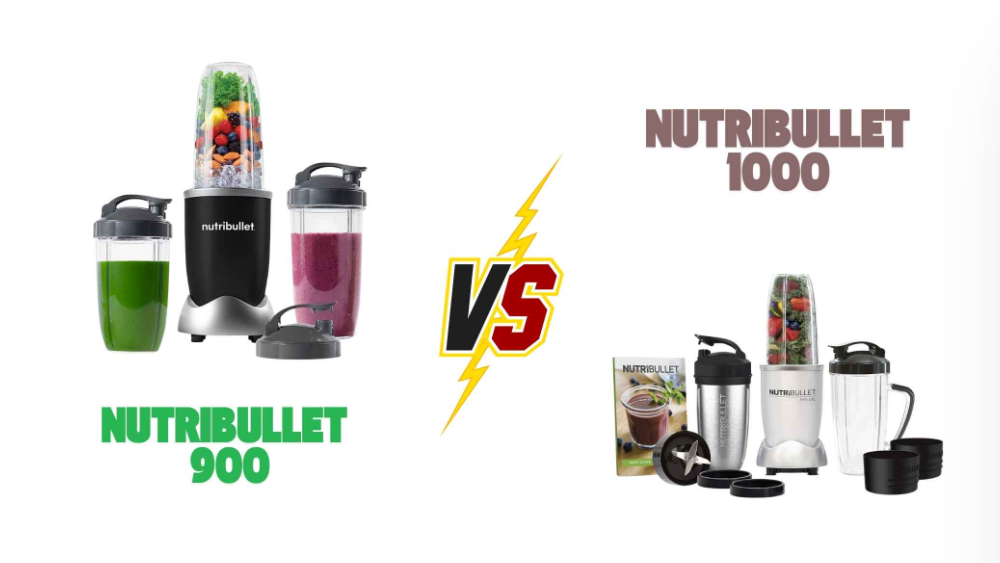
Choosing between the NutriBullet 900 and the NutriBullet 1000 can be confusing because both look similar, both are personal blenders, and both promise fast, convenient blending. But once you look deeper into their performance, accessories, build quality, and real-world usage, you realize the differences matter a lot depending on what kind of user you are.
This detailed article covers everything — motor power, smoothie quality, ice crushing, nut butter tests, build quality, accessories, maintenance, durability, pros and cons, buying advice, FAQs, and performance recommendations.
This write-up is crafted to help you decide which blender suits your daily routine best, especially if you’re comparing them for personal use or writing affiliate reviews.
Introduction: Why This Comparison Matters
NutriBullet popularized compact personal blenders that allow you to blend directly into the cup you drink from. Over time, hundreds of thousands of users rely on them for daily smoothies, gym shakes, protein blends, and small food prep tasks.
Among the most successful models are:
-
NutriBullet Pro 900 (900 watts)
-
NutriBullet Pro 1000 (1000 watts)
They sit in the same category, look almost identical, and target similar customers — but their performance differences are meaningful.
This article breaks everything down so you can confidently decide which one offers better real-world performance.
Specifications and What’s Actually Different
NutriBullet Pro 900: Key Specifications
-
Motor Power: 900 watts
-
Typical Bundle: Motor base, extractor blade, one or two cups (usually 24oz or 32oz), to-go lid, recipe guide
-
Best For: Daily smoothies, soft fruits, greens, and lighter blending tasks
-
Operation: Simple push-down twist to blend
NutriBullet Pro 1000: Key Specifications
-
Motor Power: 1000 watts
-
Typical Bundle: Motor base, improved extractor blade, 32oz cup or pitcher, to-go lids
-
Best For: Ice-heavy smoothies, frozen fruits, thicker blends, occasional nut butter attempts
-
Operation: Simple push-down system, sometimes with improved “Easy-Twist” blade system
Main difference:
The NutriBullet 1000 has 11% more power, meaning more strength for tougher ingredients like ice and frozen fruits.
But does 100 watts actually make a real difference?
You’ll see throughout this review — yes, but not in every task.
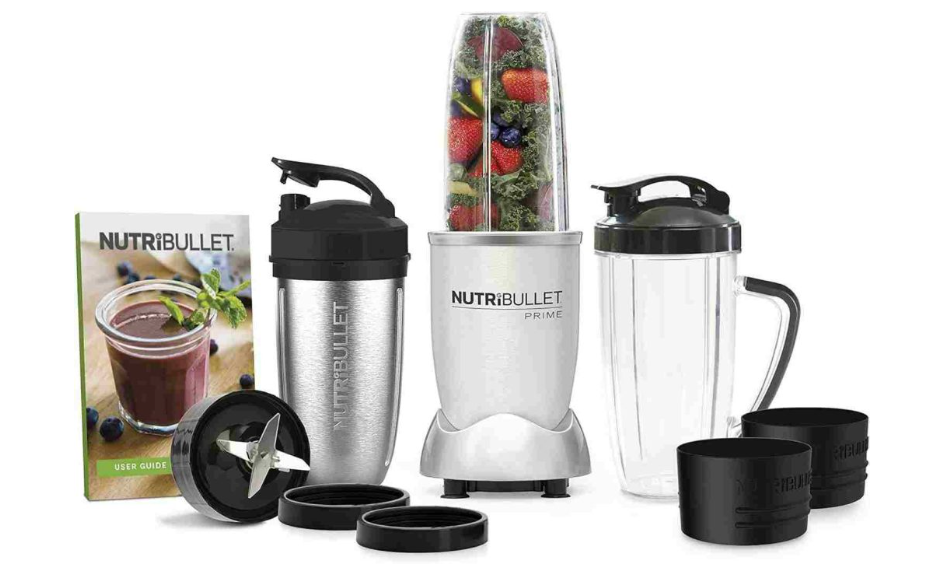

Design, Build Quality, and Ergonomics
Both blenders share the familiar NutriBullet design style:
-
Compact bases
-
Screw-on extractor blade
-
Drink-from cup design
-
Minimal controls (push and blend)
But there are subtle differences.
Build Quality Comparison
NutriBullet 900
-
Durable plastic base
-
Standard extractor blade design
-
Cups feel solid and light
-
Tried-and-tested model for years
NutriBullet 1000
-
Slightly heavier and sturdier motor base
-
Some models include enhanced “Easy-Twist” blade that’s easier to tighten and loosen
-
Upgraded overall ergonomics on certain versions
-
Some variations (like Turbo or Ultra) have quieter, smoother motor housings
Which Feels Better?
-
In hand and during use, both feel good.
-
The 1000’s slightly upgraded parts give it a more “premium” feel.
Motor Power & Real-World Blending Performance
The most important difference between both blenders is motor performance.
Let’s break it down by task.
1. Smoothies With Fresh Fruits
Both blenders excel here.
-
The NutriBullet 900 handles soft fruits (banana, mango, berries), yogurt, milk, and spinach with ease.
-
The NutriBullet 1000 performs the same, with slightly smoother consistency when the mixture is dense.
For a standard daily smoothie, you may not notice a big difference.
2. Smoothies With Leafy Greens
Leafy greens stress weak blenders, but both NutriBullets handle them very well.
-
The 900 creates smooth green smoothies as long as you add enough liquid and pack ingredients in the right order.
-
The 1000 provides slightly smoother textures with fibrous greens like kale stems due to extra torque.
If you frequently blend greens, both work great, but the 1000 has a small edge.
3. Ice Crushing & Frozen Items
This is where the NutriBullet 1000 clearly wins.
-
NutriBullet 900 can crush ice, but sometimes needs more liquid.
-
NutriBullet 1000 handles ice noticeably better and breaks down frozen fruit faster.
If you prepare:
-
Thick icy shakes
-
Hard frozen berries
-
Ice-heavy protein blends
the 1000 performs better with fewer stops and shakes.
4. Nut Butters, Seeds, and Harder Ingredients
Neither of these blenders is specifically designed for making nut butter — but small batches are possible.
NutriBullet 900
-
Can make small nut pastes
-
Requires frequent stopping
-
Generates more heat
-
Not ideal for large amounts
NutriBullet 1000
-
Handles nuts a bit better
-
Can achieve smoother texture faster
-
Still not a replacement for a full-size blender
If making nut butter occasionally is important, the 1000 is the better choice.
5. Thick Smoothie Bowls
If you like:
-
Acai bowls
-
Thick avocado smoothies
-
Frozen banana puree
then you will appreciate the 1000’s extra power.
NutriBullet 1000 pushes through thick blends more easily, while the 900 sometimes struggles unless you add more liquid.
6. Heat & Motor Strain
Both blenders need a pulse-and-rest technique for heavy loads.
-
The 900 heats up sooner with ice or nuts
-
The 1000 can run slightly longer without overheating
For light-to-medium use, both are reliable.
For heavy frozen-fruit use, the 1000 is the safer bet.
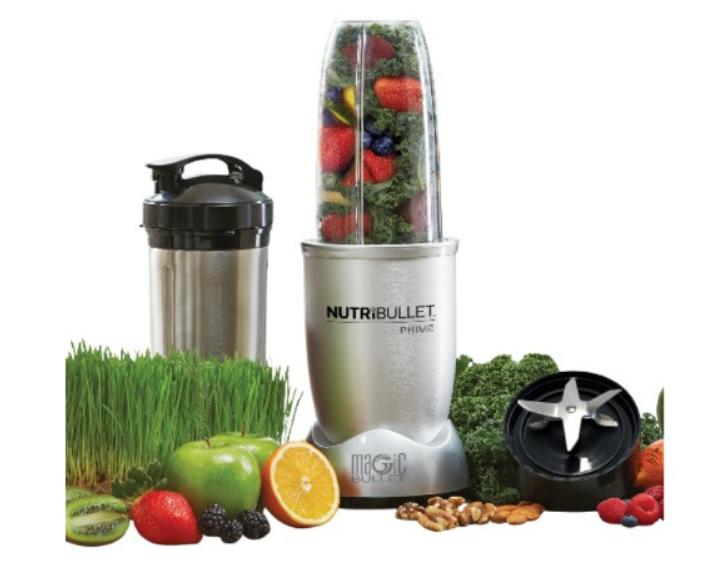
Accessories, Cups, and Blades
Cups
Both models usually include:
-
24oz or 32oz cups
-
Flip-top to-go lids
-
BPA-free Tritan plastic
Some 1000-watt bundles include:
-
32oz pitcher
-
Additional travel cups
-
Upgraded lids
Blades
NutriBullet 900
-
Standard extractor blade
-
Very effective but older design
NutriBullet 1000
-
Enhanced extractor blade
-
Many SKUs use “Easy-Twist” blade for easier cleaning and assembly
The upgraded blade design is a small but meaningful improvement.
Noise & Operation Experience
Both are loud blenders, especially with ice.
Noise Comparison
-
NutriBullet 900: Loud but expected for its power
-
NutriBullet 1000: Slightly smoother sound; certain variants advertise quieter operation
If noise is a major concern, choose the newest 1000 models — they tend to vibrate less.
Cleaning & Maintenance
Both models are designed for quick cleaning.
Cleaning Steps
-
Rinse cup and blade immediately
-
Fill with warm soapy water and blend for 5 seconds
-
Rinse and air-dry
-
Do NOT submerge the motor base
Tips for longer life:
-
Don’t leave residue in cups
-
Hand-wash the blade
-
Check the rubber gasket regularly
-
Do not run continuously for long periods
By following these steps, both blenders can last for years.
Durability, Longevity & Warranty
Both blenders have similar long-term reliability, provided you use them correctly.
NutriBullet 900 Common Issues
-
Blade gasket wear
-
Leaks if not tightened properly
-
Motor strain with heavy ice loads
NutriBullet 1000 Common Issues
-
Slightly heavier to handle
-
Blade needs proper tightening to avoid leaks
-
Similar wear patterns over long-term use
Both models perform similarly in terms of longevity; just expect slightly fewer overload problems with the 1000 due to the stronger motor.
Price & Value for Money
Generally:
-
NutriBullet 900 is cheaper
-
NutriBullet 1000 is slightly more expensive
The price difference depends on:
-
Number of cups included
-
Special blades
-
Limited-edition bundles
If price matters and your usage is simple, the 900 is usually enough.
If performance matters more than cost, the 1000 is the better value.
Real-World Use Scenarios & Best Choice
1. Daily Smoothie Drinker (Soft Ingredients)
Choose: NutriBullet 900
Perfect for:
-
Banana smoothies
-
Milkshakes
-
Spinach blends
2. Fitness Enthusiast (Protein + Ice)
Choose: NutriBullet 1000
Stronger motor handles frozen shakes better.
3. Ice and Frozen Fruit Lover
Choose: NutriBullet 1000
Less stalling, faster blending.
4. Nut Butter, Seeds, and Tough Blends
Choose: NutriBullet 1000
5. Budget Buyer
Choose: NutriBullet 900
6. Family Blending (Multiple Smoothies Daily)
Choose: NutriBullet 1000
More reliable for repeated use.
Pros & Cons
NutriBullet Pro 900 – Pros
-
Affordable
-
Powerful for daily smoothies
-
Light, compact, easy to use
-
Excellent performance for greens
-
Simpler design; fewer parts
NutriBullet Pro 900 – Cons
-
Not ideal for heavy ice blending
-
Struggles with thick blends without extra liquid
-
Can heat up faster under strain
NutriBullet Pro 1000 – Pros
-
Better ice-crushing performance
-
Stronger torque for frozen fruits
-
More stable during tough blends
-
Newer blade design on many bundles
-
Slightly smoother final texture
NutriBullet Pro 1000 – Cons
-
Slightly more expensive
-
A bit heavier
-
Differences may not be noticeable for very simple smoothies
Buying Checklist (Before You Decide)
Consider these before choosing:
1. What do you blend most often?
Ice & frozen fruit → 1000
Fresh fruit smoothies → 900
2. Do you want thick smoothie bowls?
The 1000 blends thick mixes better.
3. Is budget a concern?
The 900 is usually the best value.
4. How often do you use the blender?
Frequent daily use → 1000
Occasional use → 900
5. Do you want the newest accessories?
The 1000 bundles often include improved blades and cups.
Tips to Get the Best Blending Results
Regardless of which model you choose:
Use This Ingredient Order
-
Liquid
-
Soft fruits
-
Greens
-
Frozen fruits/ice
-
Powders last (protein etc.)
Use Enough Liquid
Personal blenders need liquid to create a vortex.
Pulse Instead of Long Runs
Prevents overheating.
Don’t Overfill
Stay under the max line.
Clean Immediately
Makes cleaning effortless and increases lifespan.
Frequently Asked Questions (FAQ)
1. Does the NutriBullet 1000 blend noticeably smoother?
Yes — but mainly with tough ingredients like frozen berries, ice, and fibrous greens.
2. Can the NutriBullet 900 handle frozen fruit?
Yes, but with more liquid. The 1000 does it more easily.
3. Can these blenders replace a full-size blender?
For small servings, yes.
For big family batches or hot soups, no.
4. Do both models leak sometimes?
Leaks can happen if the blade isn’t tightened correctly or if the gasket is worn.
5. Which model lasts longer?
Both last equally long if used within their limits.
Heavy ice-use shortens lifespan on the 900 more.
Final Verdict — Which One Should You Buy?
Choose NutriBullet 900 if you want:
-
Great smoothies at a lower price
-
A reliable daily blender
-
Basic blending without heavy frozen loads
Choose NutriBullet 1000 if you want:
-
Better performance with ice and frozen fruit
-
Smoother, thicker blends
-
A more powerful motor with fewer stalls
-
Slightly more premium accessories
Final Judgment:
-
For most daily users — NutriBullet 900 is enough.
-
For power users — NutriBullet 1000 clearly performs better.